Vive la mariée ! / Long live the Bride!
Exposition prête à voyager
Available on tour
> Institut du monde arabe 29 septembre 2026 - 28 février 2027 / September 29, 2026 - February 28, 2027
L’exposition Vive la mariée! invite le visiteur à découvrir « l’art de se marier au Maghreb », révélant des pratiques à la fois esthétiques, sociales et profondément symboliques. La figure de la mariée parée de ses atours rituels, centrale dans cette célébration pouvant durer plusieurs jours, cristallise l’émotion de ce passage initiatique. Broderies minutieuses, bijoux protecteurs, parures somptueuses, gestes cérémoniels… sont autant de témoignages d’un artisanat d’exception et de savoirs transmis de génération en génération.
“Long live the Bride !” invites visitors to discover “the art of getting married in the Maghreb”, revealing practices that are aesthetic, social, and deeply symbolic. The figure of the bride, central to this celebration that can last several days, adorned in her ritual finery, crystallizes the emotion of this rite of passage: meticulous embroidery, protective jewelry, sumptuous adornments, ceremonial gestures... all evidence of exceptional craftsmanship and knowledge passed down from generation to generation.
CONTACT
Mario Choueiry
Responsable des expositions itinérantes
Touring Exhibitions
Tel: +33 (1) 40 51 38 80

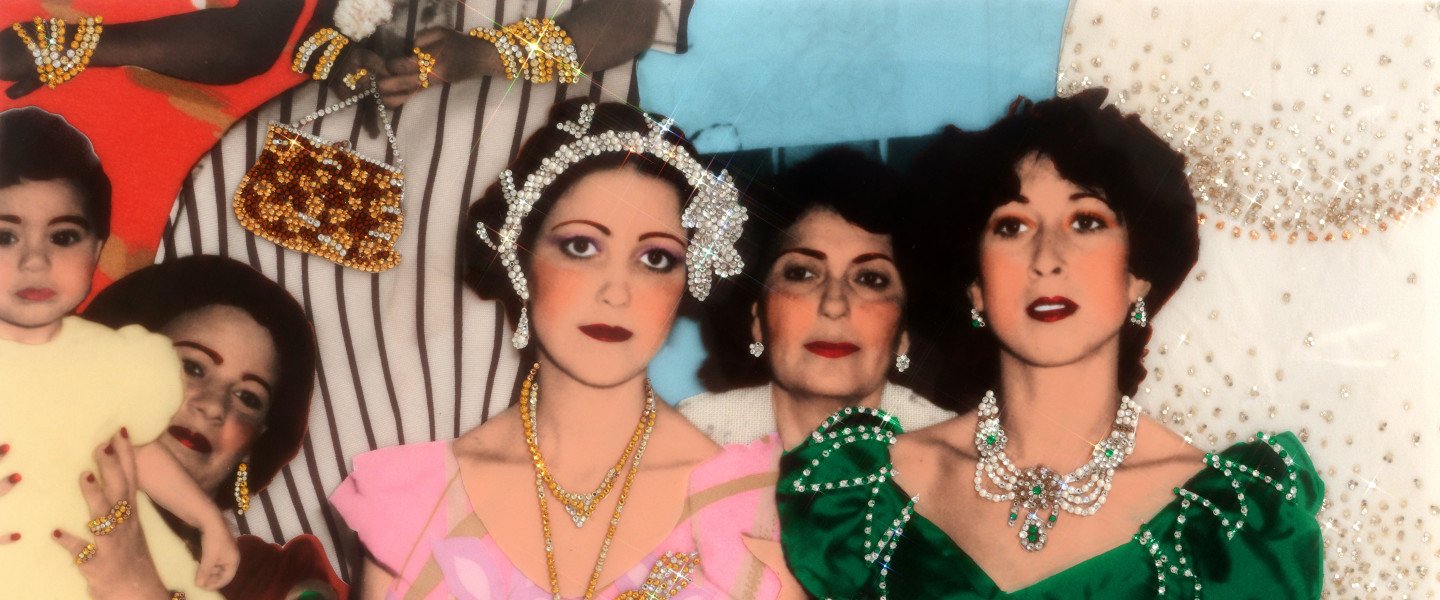
Lazhar Mansouri, Sans titre, Aïn Beïda (Algérie), années 1960, impression gélatino-argentique, tirage d’exposition. © Lazhar Mansouri. Westwood Gallery, New York, Etats-Unis
Lazhar Mansouri, Untitled, Aïn Beïda (Algeria), 1960s, gelatin-silver print, exhibition print. © Lazhar Mansouri. Westwood Gallery, New York, United States
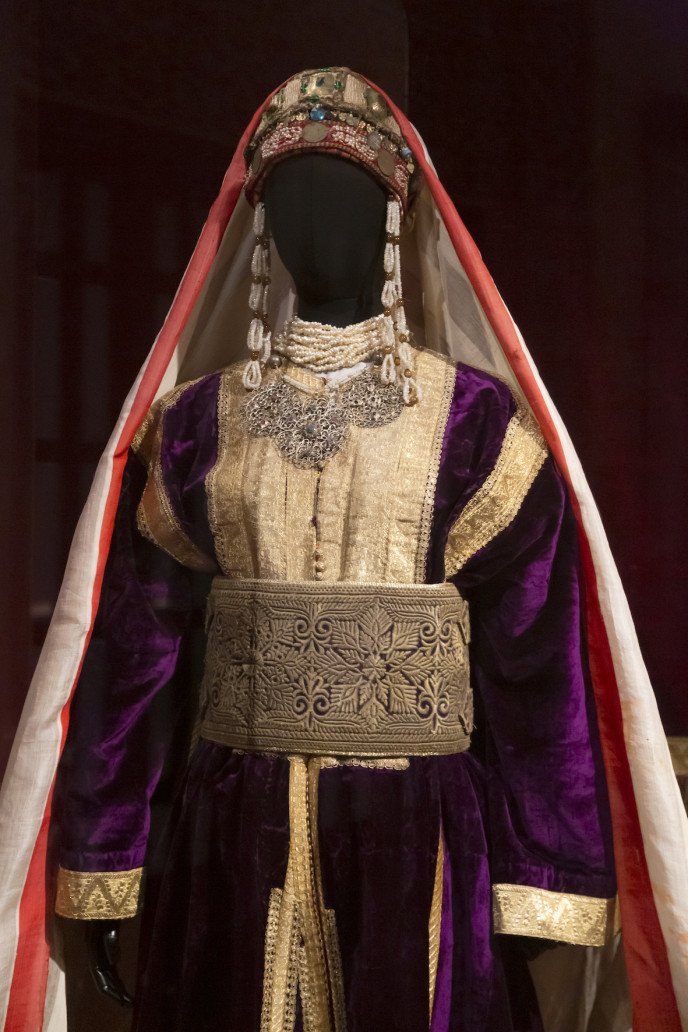
Coiffe de cérémonie de mariage Touqida et tenue de mariée , Rabat, 19e-20e siècle. © Fondation nationale des Musées / Oudayas, Musée national de la parure, Rabat.
“Touqida ceremonial wedding headdress and bridal gown, Rabat, 19th-20th century. © The National Museum Foundation / Oudayas, National Museum of Adornment, Rabat
Des pièces historiques d’exception, issues de collections algériennes, marocaines et tunisiennes mettent en lumière les spécificités nationales et régionales de cette cérémonie, la richesse des héritages, et les pratiques partagées notamment entre musulmans et juifs.
Ces œuvres patrimoniales, matérielles et immatérielles, sont mises en regard avec les œuvres d’artistes contemporain.es originaires des trois pays du Maghreb et de leur diaspora. Ces artistes posent leur regard, subjectif, sur le mariage en explorant le rôle des femmes lors de cette fête, ou encore les attentes, les rôles conjugaux, mais aussi les inégalités et les tensions qui accompagnent ce moment pivot dans la vie intime des époux. La célébration, moment de joie rythmé par la musique, la danse et les mets de fête, dévoilant un art de vivre et une sociabilité codifiée est un temps fort de l’exposition.
Ce dernier volet montre comment les rites se déplacent et se réinventent révélant des pratiques en constante évolution et hybridation notamment dans la diaspora en France.
L’exposition dessine ainsi le portrait vivant, complexe et profondément humain d’un rituel qui continue de façonner les identités et les imaginaires des deux rives de la Méditerranée.
Exceptional historical pieces from Algerian, Moroccan, and Tunisian collections will highlight the national and regional specificities of this ceremony, the richness of its heritage, and the practices shared in particular between Muslims and Jews.
These heritage works, both tangible and intangible, will be juxtaposed with works by contemporary artists from the three Maghreb countries and their diaspora. These artists will offer their subjective view of wedding by exploring the role of women in this celebration, as well as expectations, marital roles, and the inequalities and tensions that accompany this pivotal moment in the intimate life of a married couple. The celebration, a moment of joy punctuated by music, dance, and festive dishes, revealing a codified art of living and sociability, will be a highlight of the exhibition.
This final section will show how rituals are shifting and reinventing themselves, revealing practices that are constantly evolving and hybridizing, particularly in the diaspora in France.
The exhibition thus paints a vivid, complex, and deeply human portrait of a ritual that continues to shape identities and imaginations on both sides of the Mediterranean.
Aperçu de l'exposition / Exhibition overview
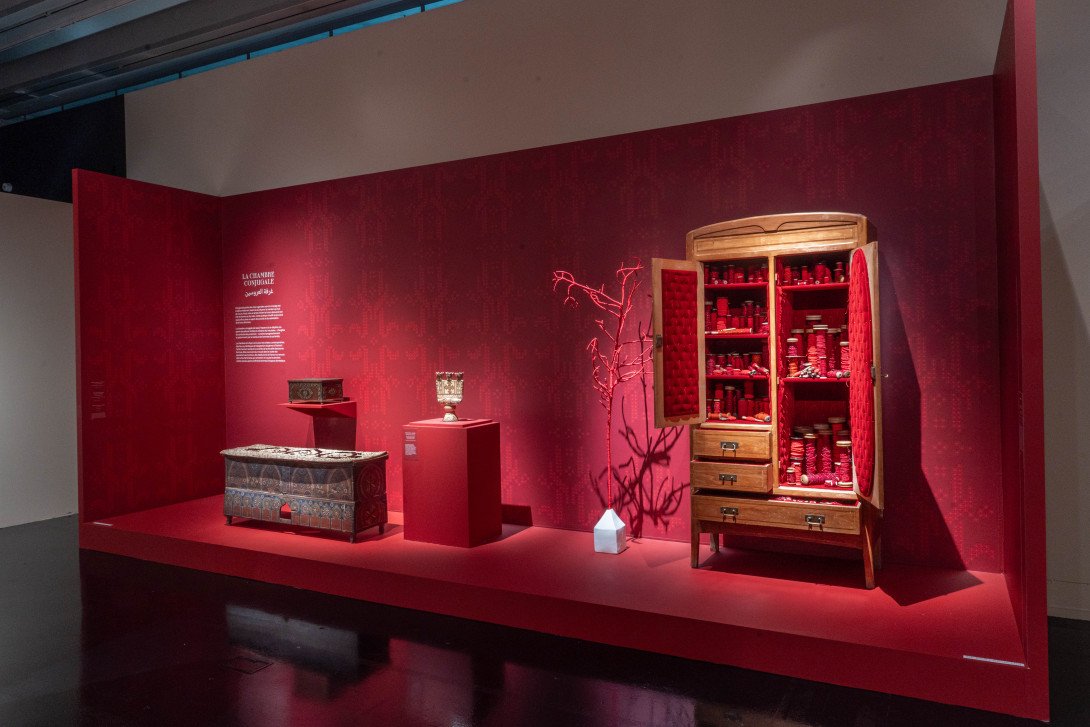
“Vive la mariée! Algérie, Maroc, Tunisie”, Institut du monde arabe, 29/09/2026-28/07/2027
© Yann Pichonnière / IMA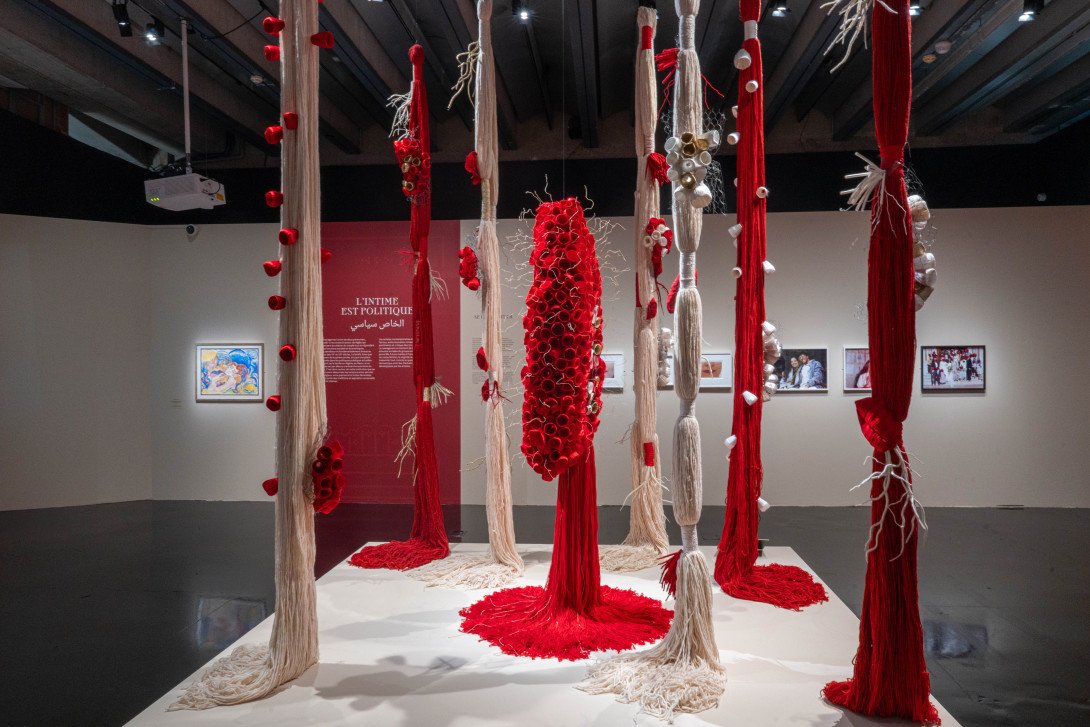
“Vive la mariée! Algérie, Maroc, Tunisie”, Institut du monde arabe, 29/09/2026-28/07/2027
© Yann Pichonnière / IMA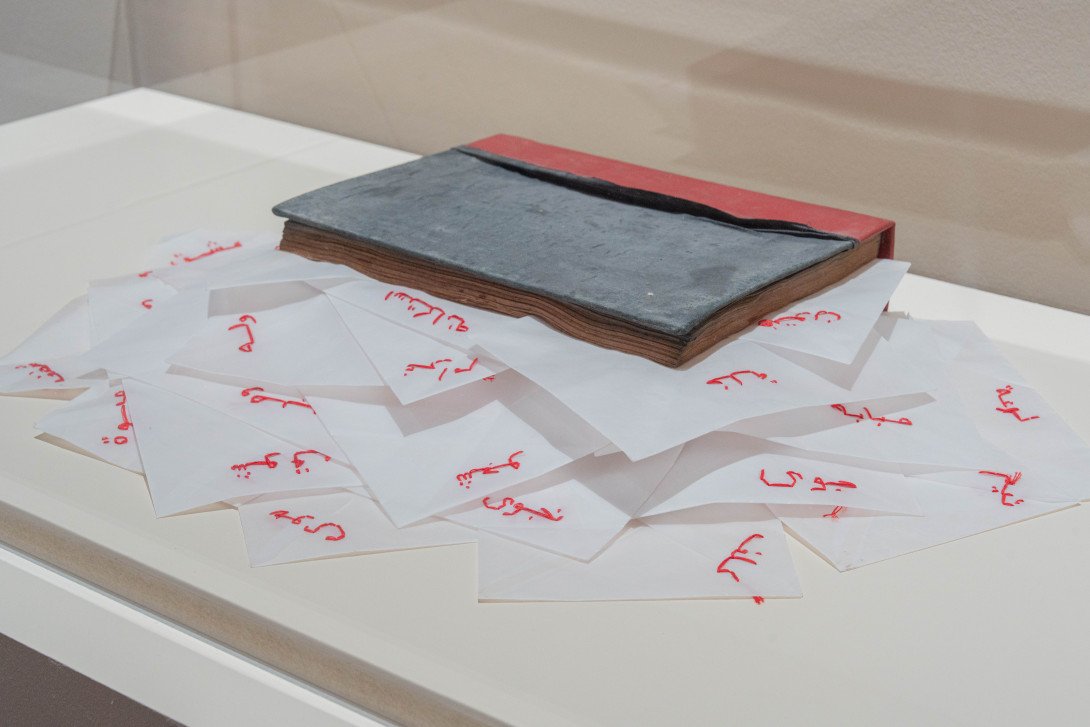
“Vive la mariée! Algérie, Maroc, Tunisie”, Institut du monde arabe, 29/09/2026-28/07/2027
© Yann Pichonnière / IMA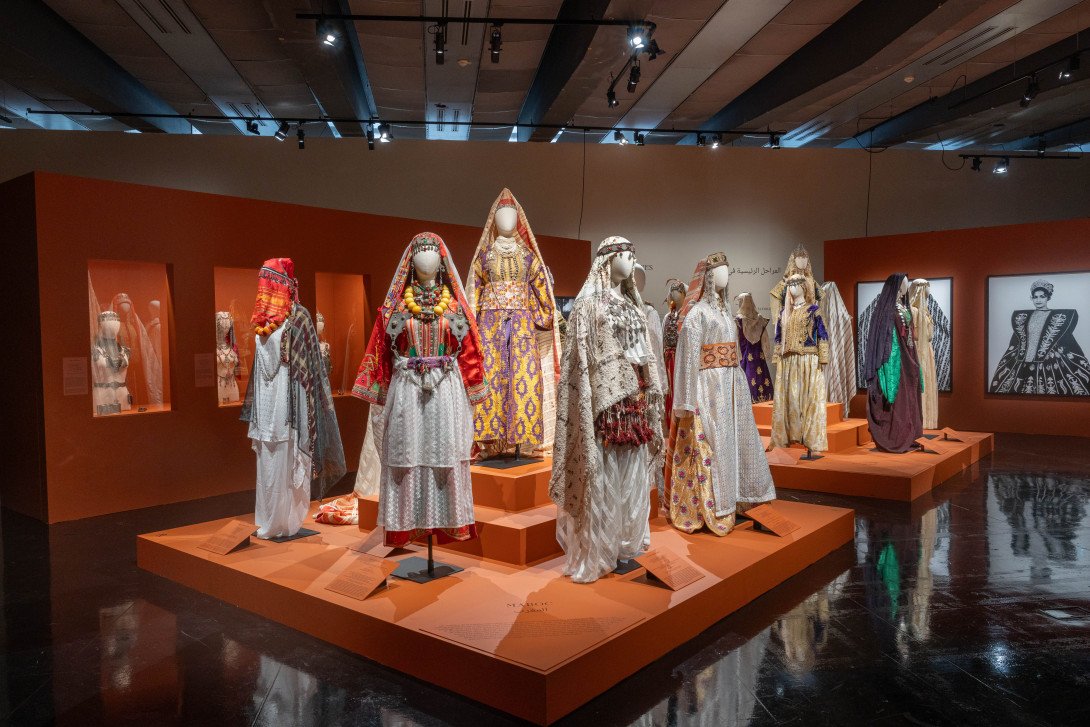
“Vive la mariée! Algérie, Maroc, Tunisie”, Institut du monde arabe, 29/09/2026-28/07/2027
© Yann Pichonnière / IMA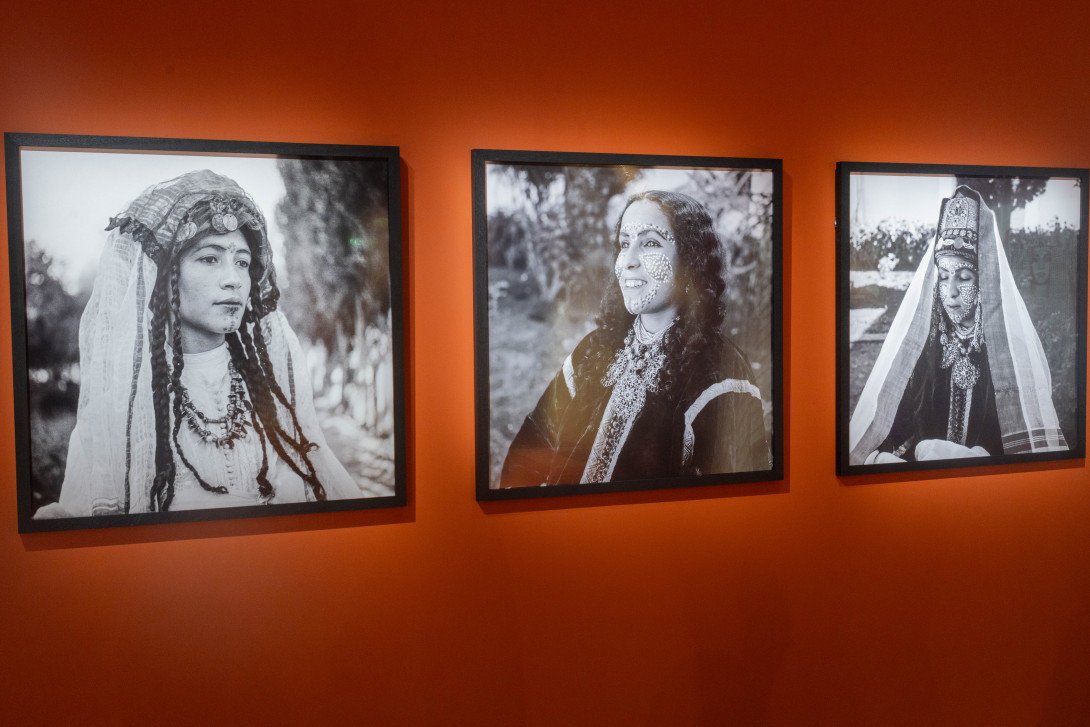
“Vive la mariée! Algérie, Maroc, Tunisie”, Institut du monde arabe, 29/09/2026-28/07/2027
© Yann Pichonnière / IMA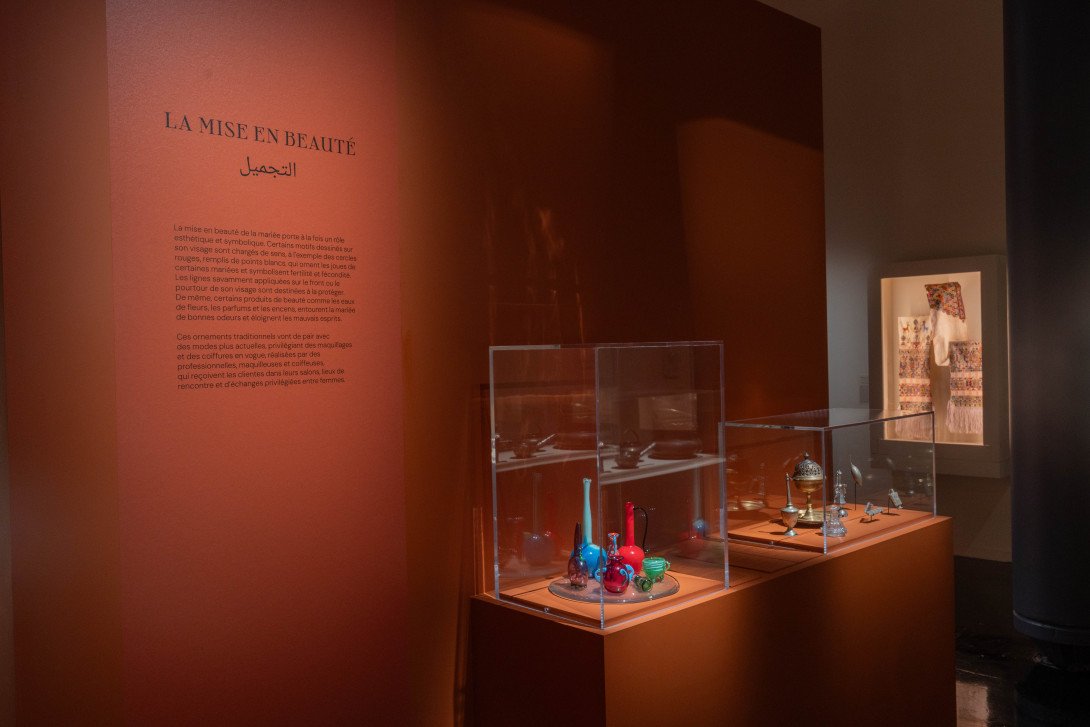
“Vive la mariée! Algérie, Maroc, Tunisie”, Institut du monde arabe, 29/09/2026-28/07/2027
© Yann Pichonnière / IMA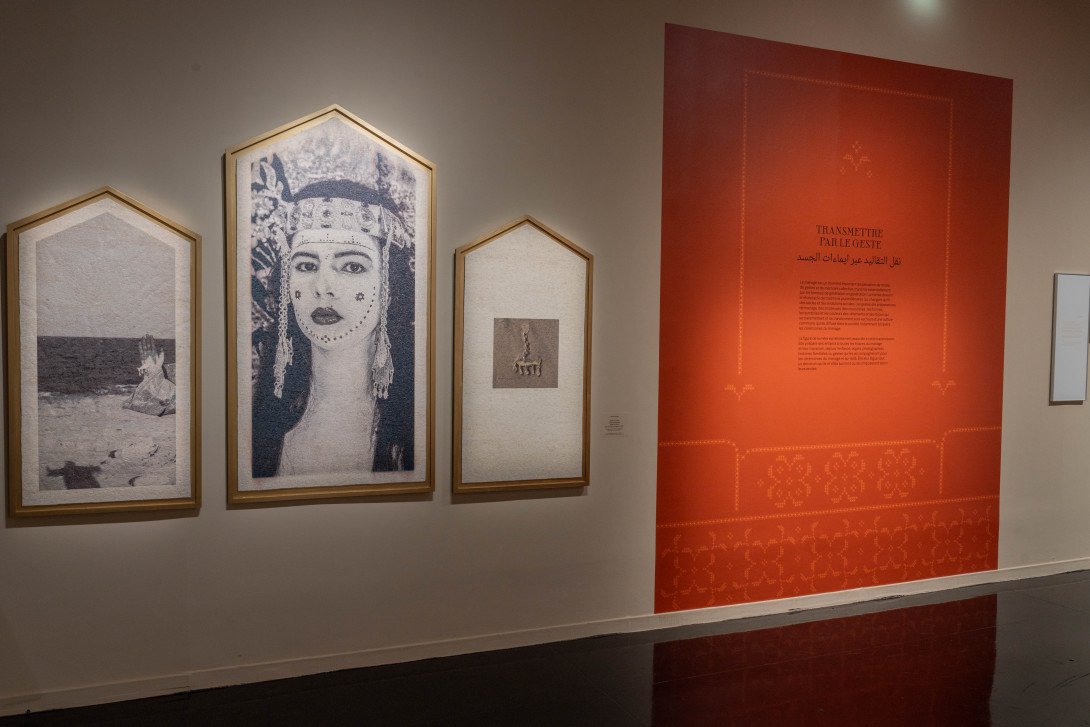
“Vive la mariée! Algérie, Maroc, Tunisie”, Institut du monde arabe, 29/09/2026-28/07/2027
© Yann Pichonnière / IMA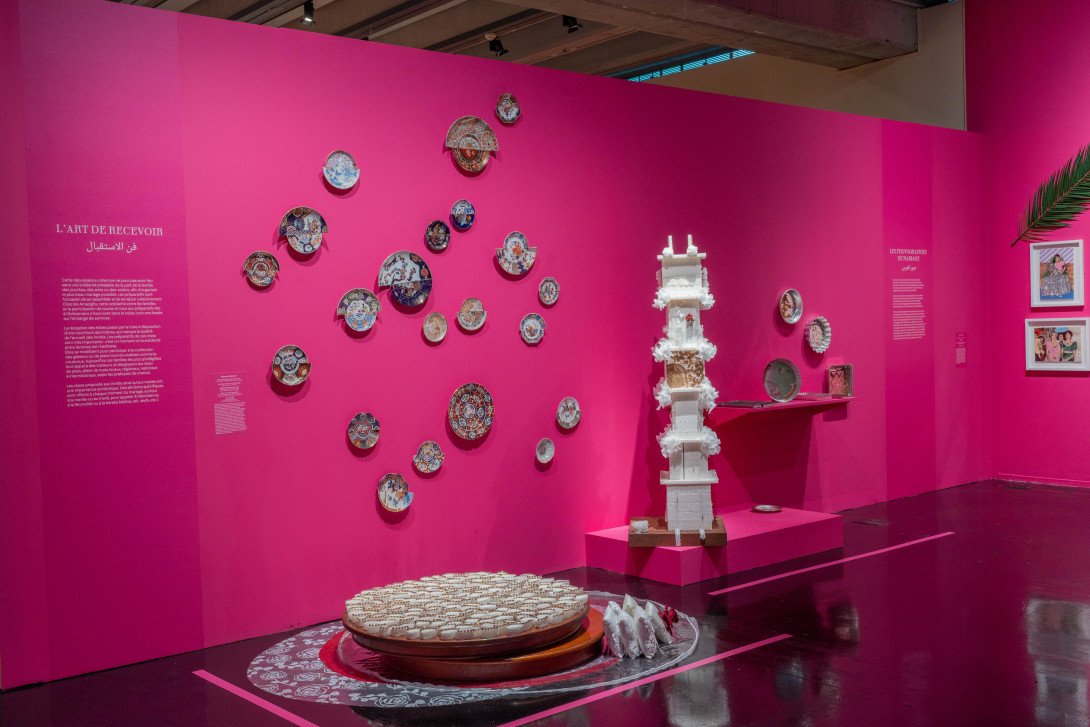
“Vive la mariée! Algérie, Maroc, Tunisie”, Institut du monde arabe, 29/09/2026-28/07/2027
© Yann Pichonnière / IMA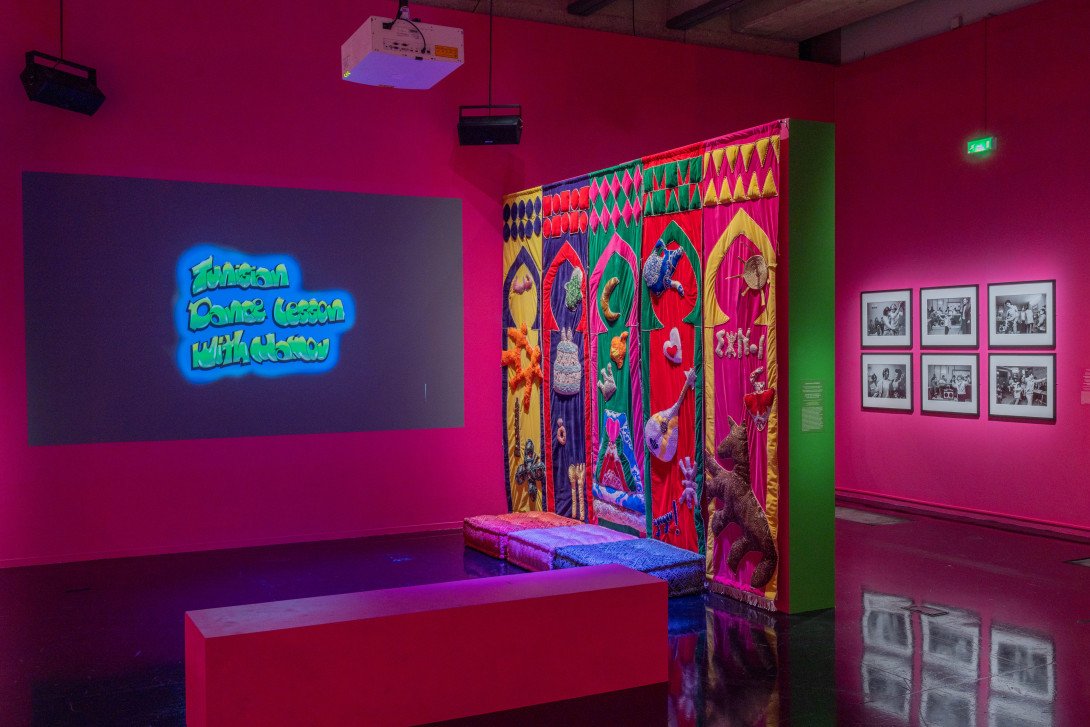
“Vive la mariée! Algérie, Maroc, Tunisie”, Institut du monde arabe, 29/09/2026-28/07/2027
© Yann Pichonnière / IMACOMMISSARIAT / CURATOR
Elodie Bouffard
Nawel Dehina